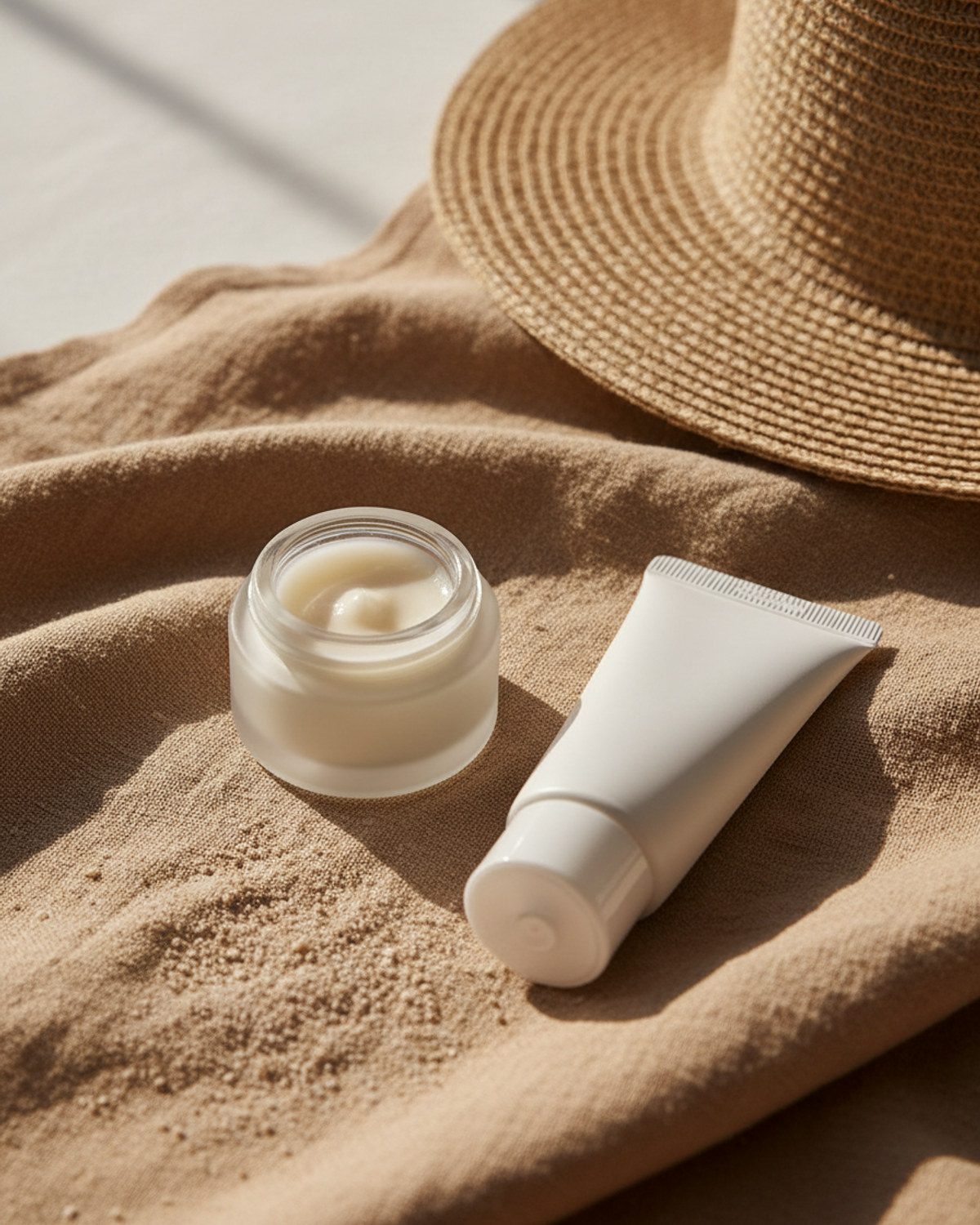
Homemade tallow sunscreen recipes keep circulating. Here is what dermatologists, a 2026 AARP round-up and the FDA say, plus a labeled-sunscreen checklist.
Beef tallow has moved from the kitchen to the bathroom shelf. Social media recipes pair rendered beef fat with beeswax, avocado butter or zinc oxide and call the result a natural sunscreen. Before you swap a labeled product for a jar of fat, here is what dermatologists, AARP's July 2026 myth round-up and the FDA say, and the one useful question hiding inside the trend.
Where the trend comes from
The idea is not new. A July 2024 AFP report described influencers promoting an animal-based sunscreen made from beef tallow, with one saying he did not worry about sun damage. The same report noted viral videos sharing homemade recipes of tallow, avocado butter and beeswax, and a warning from the American Academy of Dermatology that homemade sunscreens lack effective protection. Fast forward to 2026 and AARP is still addressing it as a myth spreading in natural-living communities.
What the experts actually said
Dermatologist Megan Poynot Couvillion told AFP that tallow alone cannot block UV radiation. She considers it acceptable as a moisturizer but absolutely not as a sunscreen. In AARP's piece, Dr. Lindsey Bordone said that beef tallow would be the opposite of a sunscreen, acting more like baby oil and increasing sun sensitivity. AARP adds that no research shows rendered cow fat protects against the sun.
Notice what is and is not being claimed. Nobody is saying tallow is harmful on skin in general. The point is narrower: fat is an emollient, and an emollient is not a UV filter.
Why DIY recipes fall short even with zinc oxide
Some recipes add zinc oxide, a real mineral filter, which makes them sound credible. George Washington University professor Adam Friedman told AFP that making effective sunscreen at home is unrealistic. The reason is practical. A filter only works if it is spread evenly at a measured dose in a stable base, and a kitchen has no way to confirm either.
AARP also describes a study of 'natural' sunscreens built on oils such as raspberry seed, carrot seed, argan, coconut and shea butter. Only tamanu oil offered meaningful SPF, and its protection dropped from 21.5 to 5.19 after one hour of sunlight. Even the best performer in that test lost most of its protection quickly.
The vitamin D question
The most reasonable argument behind sunscreen skepticism is vitamin D. AARP says a 2025 randomized trial found that daily high-SPF use for a year raised the risk of vitamin D deficiency compared with occasional use, though the article gives no sample size. Treat that as a claim to look up, not a number to quote.
AARP's expert context is useful. Dr. Mamina Turegano points out that age, genetics, body composition and diet all influence vitamin D levels. Her advice is to ask for a blood level and supplement if needed, and not to go out seeking sun exposure on purpose. If you are worried, test your level; do not remove your sun protection.
What the FDA says a sunscreen should do
The FDA's consumer page, current as of October 16, 2026, gives a compact checklist:
- Choose a sunscreen labeled broad spectrum, which covers both UVA and UVB.
- Use an SPF of at least 15, with higher values up to 50 giving greater sunburn protection.
- Apply about 15 minutes before going outside and reapply at least every two hours, or more often when swimming or sweating.
- Add shade and clothing, and limit time in the sun between 10 a.m. and 2 p.m.
It also notes that no sunscreen is waterproof, since all eventually wash off, and that a product without an expiration date should be considered expired three years after purchase. A label with tested SPF and a broad spectrum claim is what makes those numbers meaningful. A jar of tallow has neither.
Where tallow can fit
If you like tallow balms, use them where they belong: as a night-time moisturizer over clean skin, with attention to ingredients you may react to. Patch test first, and note that it can feel heavy on skin that is prone to congestion. Keep it away from your sun-protection step.
A realistic daytime routine
- Cleanse gently and apply a lightweight moisturizer if your skin needs it.
- Finish with a labeled broad-spectrum sunscreen at SPF 15 or higher, using the amount directed on the label.
- Reapply every two hours outdoors, and sooner after sweating or swimming.
- Layer in a hat, sunglasses and shade during the middle of the day.
- If vitamin D worries you, talk to your doctor about a blood test, not a lower-SPF routine.
The takeaway
The tallow sunscreen claim fails on the experts' own terms: fat can soften skin, but it does not filter UV, and homemade versions cannot be verified for dose or coverage. The better question is not whether sunscreen is natural enough, but whether the one you will actually wear every day has a broad-spectrum label, a sensible SPF and an unexpired date. Keep the tallow for the night shelf, and let a tested product handle the sun.