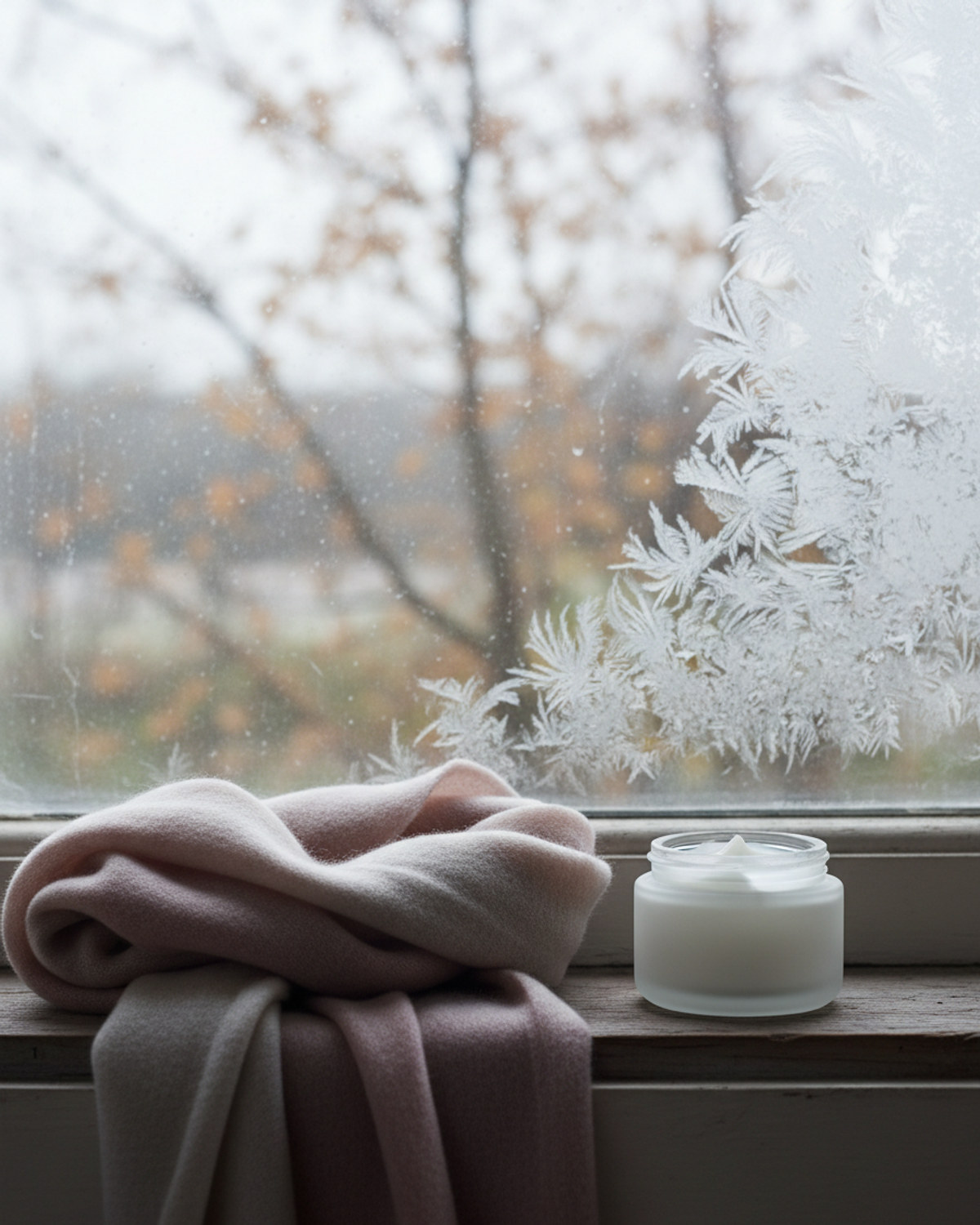
Experts define sensitive skin by sensation, not just appearance. Here is what a 2026 study and expert consensus say, plus a two-week plan for calmer skin this fall.
When the first cold snap arrives, plenty of people notice the same thing: a face that stings under products it tolerated in August. Before you retire everything in your routine, it helps to know what sensitive skin actually means, what the data say about how common it is, and which fall triggers are worth adjusting first.
What sensitive skin means, according to experts
An international expert group used a Delphi consensus process to define sensitive skin as a syndrome of unpleasant sensations, such as stinging, burning, pain, itch and tingling, that arise from stimuli that should not normally provoke them. Two details matter. The sensations cannot be explained by lesions from a skin disease, and the skin can look completely normal or show redness. In other words, how skin feels is the main signal, not only how it looks.
The same paper lists physical triggers (UV, heat, cold and wind), chemical ones (cosmetics, soaps, water and pollutants), and occasional psychological or hormonal factors. Fall is the season where several of these stack up at once: wind, temperature swings, hotter showers and heated indoor air.
How common is it, and why numbers vary
Prevalence figures depend heavily on how you ask. A 2026 cross-sectional study of 136 young adult women in Indonesia used the lactic acid stinging test, in which a 10% lactic acid solution is applied to the nasolabial fold, and found that 23.5% had sensitive skin by that measure. Self-reported rates in other surveys run higher, but the expert group itself notes there is no clear cut-off between people with and without sensitive skin and calls for validated tools and updated epidemiology.
The practical reading: sensitivity is a spectrum, and it is common enough that feeling reactive in cold weather is not unusual. It is also not a fixed trait. Your threshold can shift with the season.
More products is not automatically the problem
It is tempting to blame a long routine. In the Indonesian study, the number of products used daily and weekly showed no significant relationship with sensitive skin (p > 0.05). Facial wash, sunscreen and moisturizer were each used by more than 70% of respondents. That is a small, single-population, cross-sectional study, so it cannot say that a big routine is harmless, and it cannot show cause and effect. But it does suggest that product count alone is a poor yardstick. What is in the products, and how your skin is coping with the weather, probably matters more.
The fall stack: cold air, dry heat and hot water
Dermatology practice guidance describes the winter pattern plainly: cold air, low humidity, wind and indoor heating strip moisture and weaken the skin's protective barrier, which shows up as dryness, itching and irritation. The same source recommends short showers with lukewarm water because hot water removes natural oils, and gentle products that avoid harsh cleansers, exfoliants and alcohol-based items.
Put that next to the trigger list from the expert paper and a simple logic emerges. Several triggers are environmental and hard to avoid, so the controllable ones are chemical and routine-based: cleanser strength, exfoliation frequency and water temperature.
A step-by-step adjustment for the next two weeks
- Cap shower heat and time. Aim for lukewarm and under about ten minutes. The guidance cited above supports lukewarm water and short showers; the exact ten-minute figure is a practical rule of thumb, not a study result.
- Moisturize right after washing. Apply a cream-based moisturizer while skin is still slightly damp. Practice guidance suggests thick creams with ingredients such as hyaluronic acid, ceramides or glycerin.
- Pause exfoliating acids for a week. Lactic acid is literally the probe used in stinging tests, so a lactic acid toner is a reasonable first thing to rest when skin feels reactive. Reintroduce it once comfort returns, at a lower frequency.
- Keep the routine short and consistent. Change one product at a time so you can tell what helped.
- Cover up outside. Gloves, scarves and hats limit wind and cold exposure.
- Add humidity indoors. A humidifier can offset dry heated air.
Patch testing a new product in cold weather
If you want to add something new, test it on a small area first, such as the inner forearm or just beside the jawline, for several days before applying it to the whole face. Because stinging is the hallmark sensation, pay attention to burning or tingling in the first minutes as well as redness later. A product that stings consistently on skin that is otherwise calm is worth stopping, whatever its marketing says.
When to stop self-managing
Home adjustments have limits. The dermatology guidance cited here suggests seeing a professional if dryness persists after a week or more of consistent care, if cracks show signs of infection, if itching disrupts sleep or daily life, or if a rash worsens despite over-the-counter care. Recurring facial redness or flushing that does not settle is also a reason to talk to a clinician rather than keep experimenting.
Practical takeaway
Treat fall sensitivity as a mismatch between a changing environment and a routine built for summer. Turn the water down, moisturize on damp skin, rest exfoliating acids for a week, change one product at a time, and patch test anything new. If comfort has not returned after a week or two of steady, gentle care, check in with a doctor. This article is educational and not a substitute for personal medical advice.