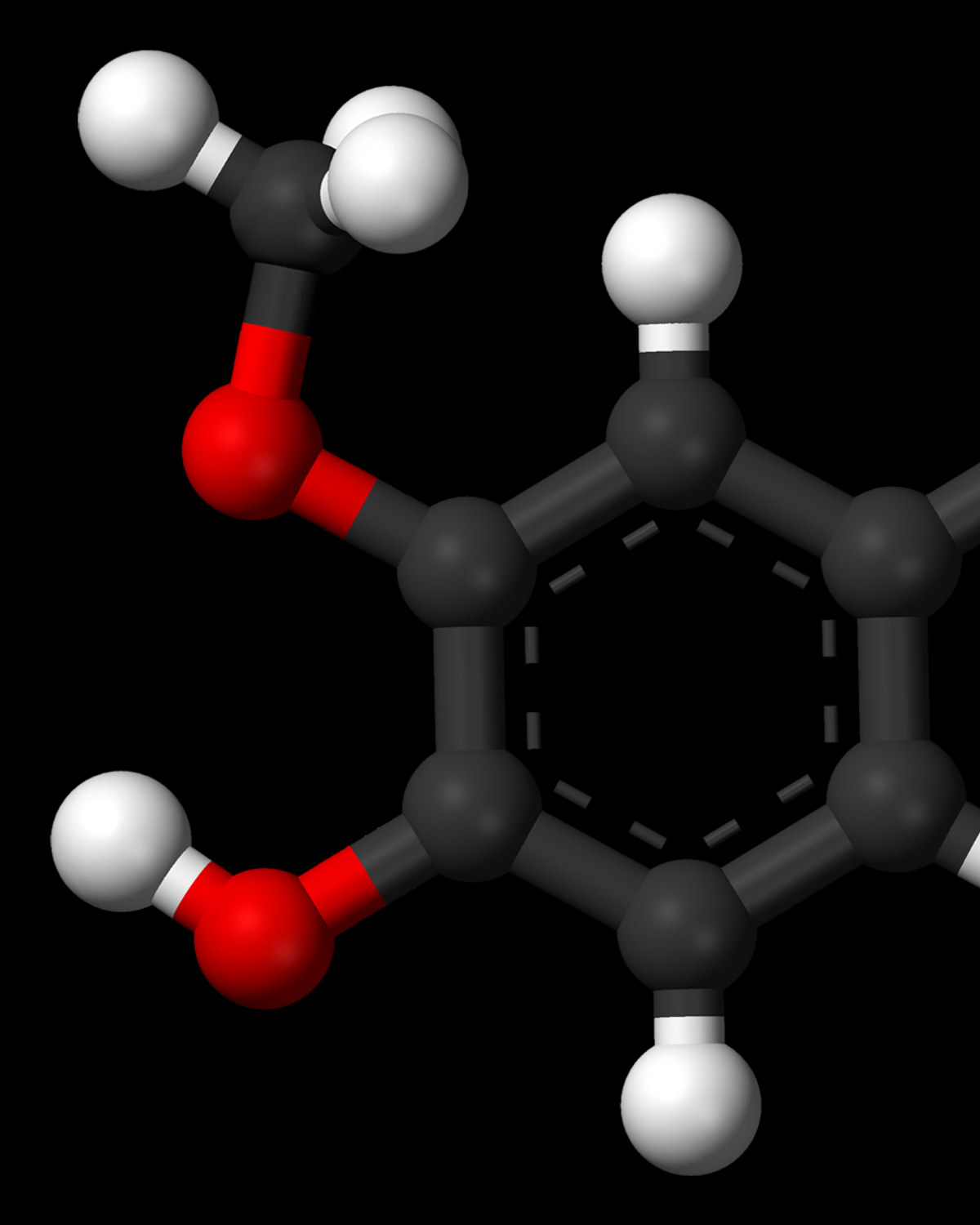
Ferulic acid is mostly there to stabilize vitamins C and E and boost the formula. Here is what the key studies measured, and how to read the label.
Ferulic acid shows up on the front of many vitamin C serums, usually in small type near the bottom of the ingredient list. It is easy to treat as a brand flourish. The research behind it says something more specific: ferulic acid is mostly there to help the vitamin C and vitamin E in the bottle last longer and work together, not to act as a star ingredient by itself. This guide walks through what was actually tested, what the numbers were, and what to check on a label.
What ferulic acid is
Ferulic acid is a plant-derived phenolic antioxidant found in the cell walls of grains and many other plants. A 2025 review describes it as having antioxidant and anti-inflammatory properties, with cosmetic uses that include support for vitamins C and E, a boost to UV filters, and skin-brightening claims, while noting that formulation challenges remain. Those challenges are familiar: ferulic acid dissolves poorly and oxidizes easily, which a 2026 formulation paper also stresses.
The study behind the famous combination
Most ferulic acid marketing traces back to a 2005 paper in the Journal of Investigative Dermatology. The researchers worked with a solution of 15% L-ascorbic acid (a form of vitamin C) and 1% alpha-tocopherol (vitamin E). Adding ferulic acid did two things, according to the abstract. First, it improved the chemical stability of the two vitamins. Second, it roughly doubled the measured protection against solar-simulated radiation, from about 4-fold to about 8-fold, judged by skin redness and by counts of damaged skin cells.
Two details matter. The number belongs to one specific formula, with a 15% vitamin C base, not to ferulic acid in general. And the measurement is lab-based protection against simulated sunlight, which is a different question from how skin looks after months of use. The paper also describes the combination as protective against oxidative stress, a claim about mechanism rather than a promise about appearance.
Why a stabilizer matters
L-ascorbic acid is famously unstable. Exposure to air and light degrades it, and degraded product is no longer doing the job on the label. A 2013 overview of vitamin C in dermatology explains that it is unstable and hard to deliver into deeper skin layers at optimal doses, which is why research keeps turning to stabilized forms and new delivery methods. In that light, the 2005 stability finding is arguably the more practical takeaway: if ferulic acid slows the breakdown of the vitamins in the bottle, you are more likely to be applying what you paid for.
A newer look at visible light
More recent work has tested a similar blend: 15% ascorbic acid, 0.5% ferulic acid and 1% tocopherol. A 2026 study applied it to skin explants from donors with Fitzpatrick skin types IV to V, then exposed the samples to visible light for 8 hours. Compared with untreated samples, the pretreated ones showed fewer markers of oxidative stress and pigmentation and better preserved tissue structure.
Keep the limits in view. This was ex vivo tissue in a dish, not people using a serum on their faces, and the formula is a specific one. It suggests an area of interest, particularly for deeper skin tones and visible light, but it does not prove that any bottle on a shelf will do the same.
Does ferulic acid help sunscreen?
A 2026 paper on a cyclodextrin-based ferulic acid system found that formulas containing it showed higher in vitro SPF, even when the UV filters were cut by 50%. The same paper noted it did not stabilize filters that are intrinsically unstable in light. That is an in vitro lab result on a particular engineered delivery system, so it should not be read as a reason to swap sunscreen for a serum. Think of it as a reminder that ferulic acid can support, not replace, a broad-spectrum sunscreen.
How to read a ferulic acid serum label
- Look for the vitamin C form and percentage. The tested combination used L-ascorbic acid at 15%. A serum with a different vitamin C derivative is a different product from the one studied.
- Check where ferulic acid sits. The visible-light study used 0.5%. Ingredient lists run from highest to lowest concentration, so a placement near the very end suggests a small amount, though brands rarely disclose exact numbers.
- Look for vitamin E (tocopherol). The studied blend relied on the three working together.
- Mind packaging. Because these ingredients degrade with air and light, an opaque, airtight pump or dropper is a better sign than a clear jar.
- Watch the color. A serum that has turned dark orange or brown has probably oxidized.
A practical routine
Use a vitamin C and ferulic serum in the morning, under moisturizer and sunscreen, so the antioxidants sit beneath your daily SPF. Start every other day if your skin is reactive, and patch test on the jawline first. If you are pregnant or planning to be, talk to your doctor about products during pregnancy.
The takeaway
Ferulic acid earns its place as a supporting ingredient. The best published support is a 2005 study showing a stability gain and a doubling of measured protection within one specific vitamin C and E formula, followed by encouraging 2026 lab work. The honest conclusion is narrower than the marketing: ferulic acid helps the formula, and you should judge the formula as a whole.