The research behind salicylic acid's exfoliating action comes from products left on the skin. Here is what that means for a 2% cleanser you rinse off in seconds, and how to use one well.
Salicylic acid face wash is one of the most searched cleanser types in the US, and the logic sounds airtight: a beta hydroxy acid that works on congestion, in a product you already use daily. The catch is the format. A cleanser is on your face for seconds, then it goes down the drain. What does the published research really say about that trade-off? Here is what is documented, what is inference, and how to use one sensibly.
What salicylic acid does to the skin surface
Salicylic acid is best known as an exfoliating ingredient, and the mechanism is better understood than most. A 2015 review in Clinical, Cosmetic and Investigational Dermatology argues it is better described as desmolytic than keratolytic: it appears to extract desmosomal proteins such as desmogleins, so surface cells lose their cohesion and shed. The same review notes that salicylic acid is lipid-soluble, unlike alpha hydroxy acids, and can concentrate in the pilosebaceous unit, the hair follicle and oil gland area, which is why it is linked to the appearance of clogged pores.
An older controlled study points the same way. In 1976, Davies and Marks applied salicylic acid at 2% to 12% in aqueous cream or white soft paraffin to normal skin on 23 volunteers, with vehicle alone on the opposite side. After one week, biopsies showed less horny layer (the outer dead-cell layer) on the test sites, with no visible change in the living epidermis beneath. They proposed that the acid loosens the intercellular cement between surface cells.
The contact-time question
Both findings above come from products left on the skin: creams and paraffin bases applied and kept in place for a week. A cleanser is a different delivery system. You lather, you rinse, and the total contact is often a matter of seconds to a minute. The popular claim among formulators is that a typical face wash gets about 20 seconds of contact, but that figure is a rule of thumb from forums and blogs, not a measured trial result, so treat it as a rough picture only.
What I could not find, after searching, is a published head-to-head trial that compares a 2% salicylic acid wash with a 2% leave-on product on how skin looks. That gap matters. It means two opposite claims you will see online, that cleansers do nothing and that cleansers work just as well as serums, both go further than the evidence. The honest position is that the exfoliation research is solid for leave-on contact, and how much of that carries over to a rinse-off wash is not well documented.
Strength numbers you will see on labels
Cleansers in the US commonly carry 2% salicylic acid; a major health system's drug reference lists a 2% topical cleanser with directions to wet the skin, work it into a lather and rinse, and it adds: do not scrub the skin. Notice what that instruction implies. Brief, gentle contact is the intended use, and the label does not ask you to leave it on for minutes.
The Arif review lists a range of strengths for peels, from 0.5% up to 10% in its table for blemish-prone skin and 20% to 30% for professional peels in ethanol bases. That is a reminder that a face wash at 2% sits at the low end of what has been studied, and that clinic peels are a separate category from anything on a drugstore shelf.
Who a salicylic acid wash may suit
Based on the mechanism, a daily wash may suit people who want to support the look of smoother texture and less visible congestion without adding a leave-on step. It may also be a low-commitment way to try the ingredient. It is less obviously suited to skin that is already dry, tight or reactive, because the common early effects are peeling, burning, dryness and redness. The Arif review reported dryness in 32.3% of patients in one study it cites, and prolonged redness in 8.8%. Those numbers came from peel studies, not face washes, so expect lower rates from a 2% rinse-off, but they show where the ingredient's limits sit.
How to use one without overdoing it
- Patch test first. The health-system reference suggests testing a small amount on a small area for three days before wider use.
- Start once a day. Evening is a practical choice if you wear sunscreen and makeup.
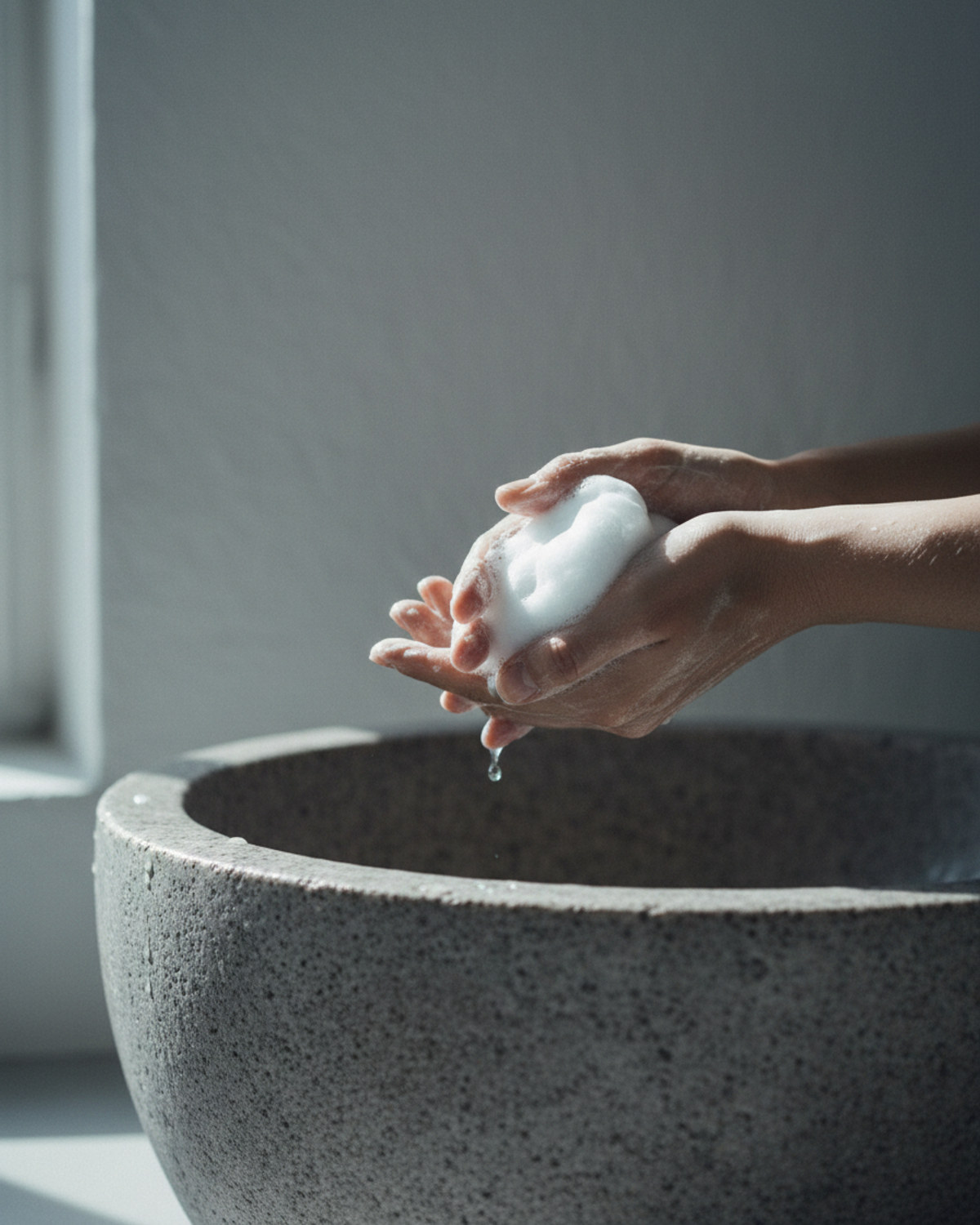
- Lather, then rinse. Do not scrub; the product label guidance says not to. A longer massage will not make a wash a leave-on.
- Keep it away from eyes, nose, mouth and broken skin. If it gets in, flush with cool water.
- Do not stack it with other exfoliants on the same night. Retinoids, other acids and scrubs on top of a salicylic wash multiply dryness.
- Follow with moisturizer. A plain, fragrance-free cream helps offset tightness.
- Judge over weeks, not days. Surface changes in the 1976 study were assessed at one week, and texture shifts usually take longer to see in the mirror.
Who should check first
The health-system reference advises checking with a doctor first if you are allergic to aspirin or other NSAIDs, or have diabetes, poor circulation or other skin conditions, and says that during pregnancy it should be used only when clearly needed after discussing risks and benefits with a doctor. The Arif review is more cautious about high-strength peels in pregnancy, citing the chemical similarity to aspirin. If either applies to you, talk to your doctor before adding a salicylic acid product.
The takeaway
Salicylic acid has a well-described way of loosening surface cells and reaching into the pore area, and that research is based on products that stay on the skin. A 2% face wash is a gentle, low-effort way to use the ingredient, but because contact time is short, do not expect it to behave like a leave-on. Use it once a day, rinse without scrubbing, moisturize, and give it a few weeks. If you want a stronger effect, a leave-on format is where the supporting research sits, and the choice should come with a patch test and a slow ramp-up.