The AAP puts childhood sun at about 25% of lifetime exposure, not the 50-80% often repeated. Here is what the advice to a younger self still gets right, and what to skip.
Ask a room of adults what skincare advice they would give their teenage selves and the answers cluster fast: wear sunscreen, stop scrubbing, keep it simple. That consensus is worth checking against what is actually published, because one of the most repeated numbers behind it, that most of your lifetime sun exposure happens before 18, turns out to be shakier than it sounds.
The sunscreen advice holds up, but the famous number does not
The line many of us heard growing up was that 50% to 80% of lifetime sun exposure happens in childhood. The American Academy of Pediatrics technical report on ultraviolet radiation uses a much lower figure: approximately 25% of lifetime sun exposure occurs before 18 years of age, citing a published analysis of UV doses of Americans. A quarter is still a large share of a lifetime packed into the first 18 years, but it is not the 'it is already too late' message that older versions implied.
The same report describes what chronic unprotected exposure does to the way skin looks over time: weaker elasticity, sagging cheeks, deeper facial wrinkles and skin discoloration, with disorganized elastin building up and collagen being lost in the deeper layer. That is the cosmetic case for sunscreen, and it works at any age. If you start at 35, you are still protecting the 75% that has not happened yet.
Teens are the group least likely to follow it
A cross-sectional survey of 860 young people at sports medicine clinics in California, Colorado and Hawaii found that the share who always wore sunscreen fell from 26.5% in children aged 6 and under to 4.7% in 15- to 18-year-olds. Girls reported more frequent sunscreen use and more tanning, while boys more often wore hats and long sleeves. The survey was self-reported and drawn from clinic visitors, so it is not a national estimate, but the direction of the trend is hard to miss.
The practical lesson for your younger self, or a teen you know, is to make the product something they will actually put on. A lightweight, fragrance-free lotion or a stick that feels like nothing beats a rich one that stays in the bag.
Keep the routine to three steps
An American Academy of Dermatology release from October 2025, quoting a board-certified dermatologist, describes a baseline for tweens and teens that fits in one sentence:
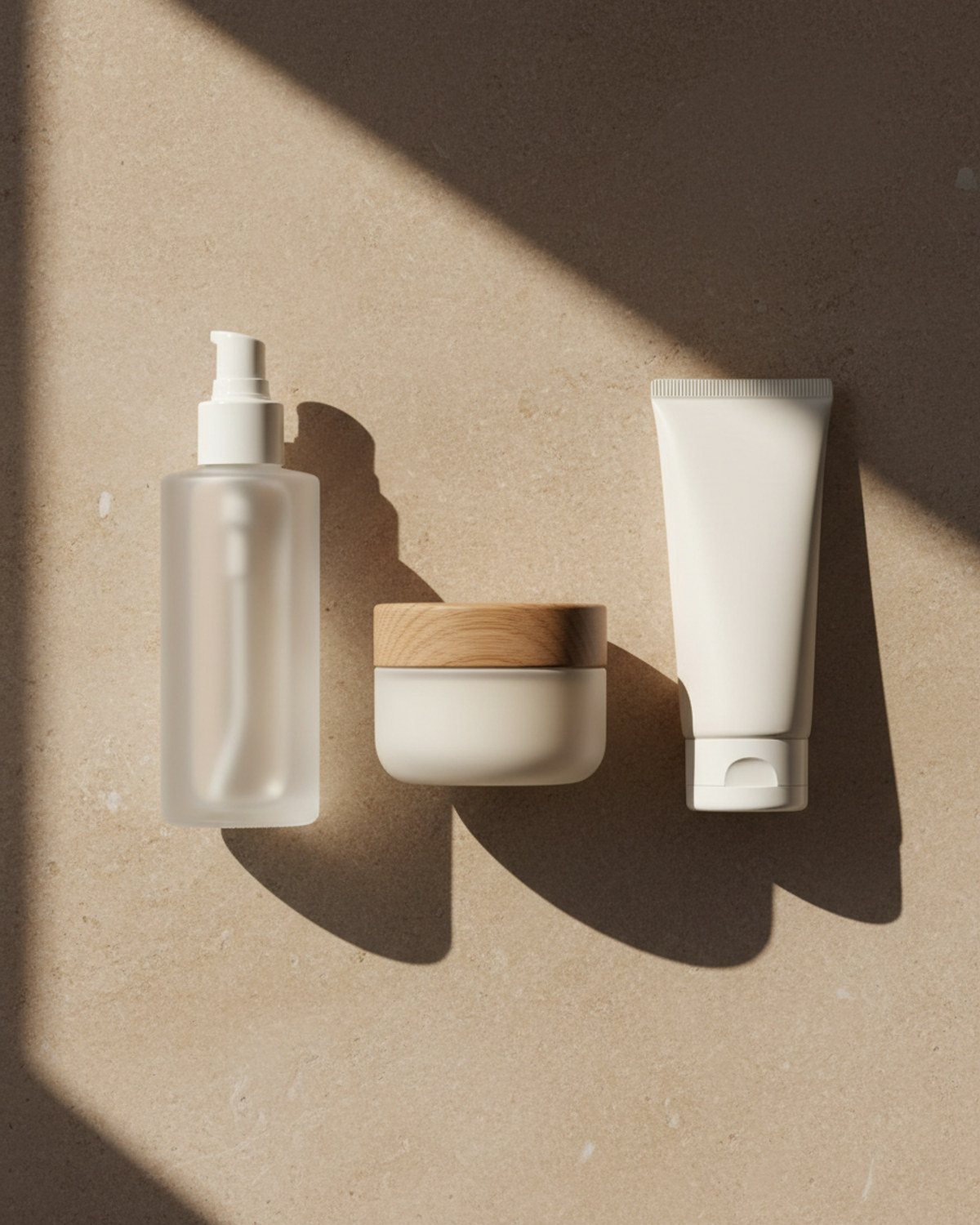
- A gentle, non-abrasive cleanser. For dry or sensitive skin, washing once a day, in the evening, may be enough.
- A fragrance-free moisturizer used regularly to ease dryness and itchiness.
- A broad-spectrum, water-resistant sunscreen with SPF 30 or higher, worn every day.
The same source's closing point is the one that gets lost most often: consistency matters more than a long routine, and in the quoted words, more is not more in this case. If you remember a 10-step routine as a badge of seriousness, that is the part to unlearn.
Scrubbing harder does not clean better
Harsh cleansing and scrubbing can irritate skin, according to the AAD guidance. Teen skin often looks shiny by midday, and the instinct is to strip it. The trouble is that irritated skin can look red, rough and tight, which then gets read as a sign to scrub more. A better approach is a mild wash, lukewarm water and a pat dry. If shine bothers you, a light, oil-free moisturizer still has a place in the routine.
Skip the adult actives for now
This one surprises people who grew up watching influencers. The AAD guidance says tweens and teens should generally avoid retinol, vitamin C and exfoliating acids, because those products are aimed at concerns like fine lines and sun damage that young skin typically does not have yet. For some teens with persistent breakouts, a board-certified dermatologist may recommend a specific retinoid or salicylic acid, but that is a personal consultation, not a shopping-cart decision. Salicylic acid and benzoyl peroxide products can also dry the skin, which is another reason the daily moisturizer matters.
For adults looking back, the lesson runs the other way too: the actives you now use for the look of fine lines were not needed at 15, and the habit that actually pays off from that age is sunscreen.
Add one product at a time, and patch test
Social media can make a product look essential when it is not suitable for every skin type, and the AAD guidance recommends choosing age-appropriate products, introducing one new item at a time and patch-testing on a small area first. The one-at-a-time rule is not just caution. If you add three products on the same night and your skin looks red the next morning, you have no way to know which one caused it.
A simple patch test: apply a small amount to the inner forearm or just behind the ear once a day for three days. If nothing looks irritated, move to the face and wait a week before adding anything else.
A practical checklist
- Sunscreen first. Daily, broad-spectrum, SPF 30 or higher, in a texture you like.
- Three steps, not ten. Gentle cleanser, fragrance-free moisturizer, sunscreen.
- Do not scrub. Mild cleansing beats aggressive cleansing for how skin looks and feels.
- Wait on actives. Retinol, vitamin C and acids are generally not needed in the teen years.
- One change at a time. Patch test, wait a week, then judge.
- Use the right number. About a quarter of lifetime sun exposure happens before 18, not most of it, so starting late is still worth it.
The takeaway
The most useful advice for a teenage self is also the least glamorous: protect your skin from daily sun, keep the routine small and let it be boring. The evidence behind that advice is consistent, and the biggest correction is to the folklore, not the advice itself. If your younger self rolled their eyes, you can at least tell them the real number is 25%, and the habit still pays off.