

Sun & UV
High UV in Miami in November: Why the Forecast Number Beats the Thermometer
Miami is reading a high UV index in early November. Here is what the EPA, WHO, CDC and FDA say to do about it, and how to build a simple layered routine.
6 min read
Temperature isn't how UV works, so cooler fall days in Miami don't lower the number. Here is how to read the index, use the shadow check, and cover the car-window gap.
· 5 min read
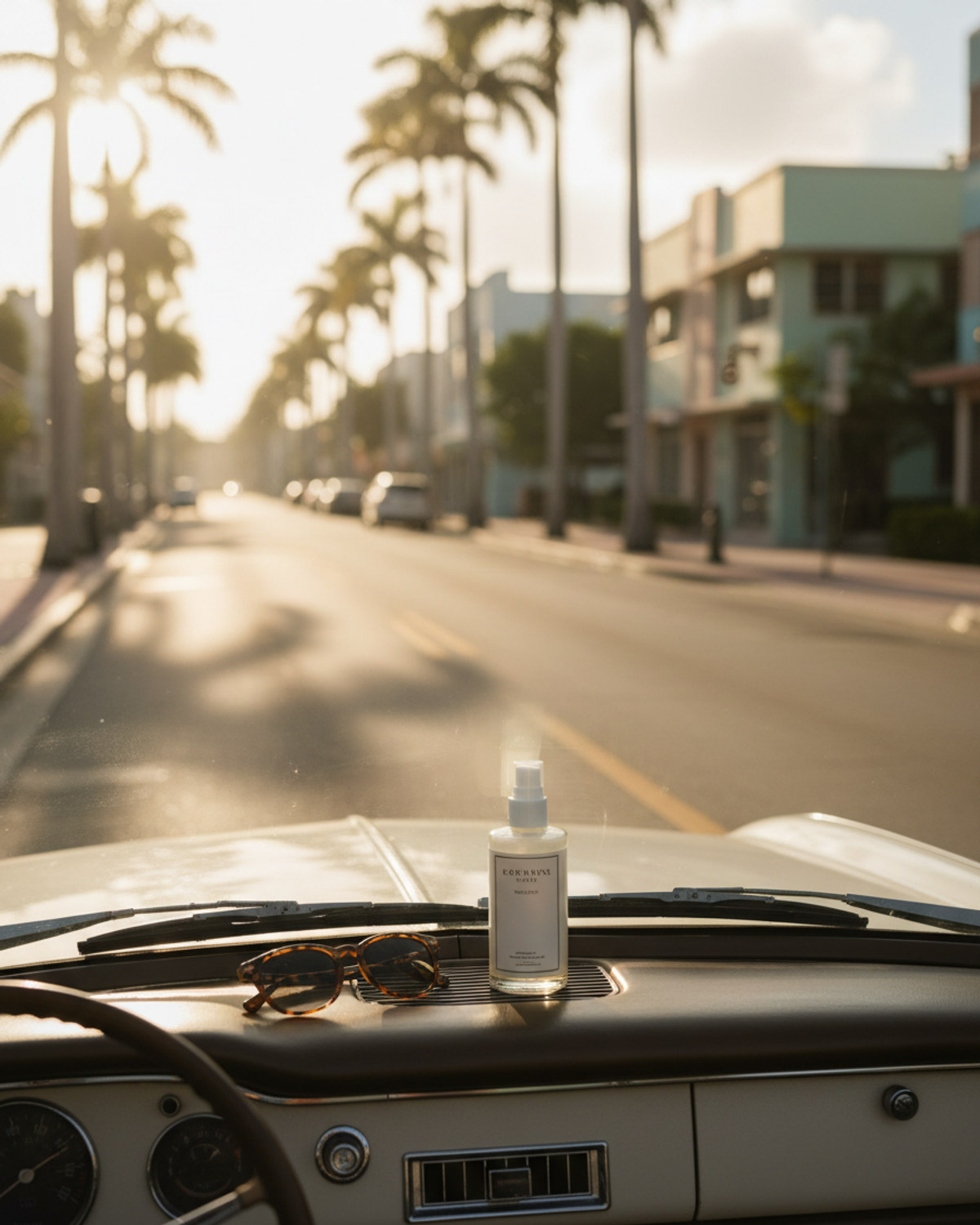
Miami is flagged for high UV exposure right now, in the last third of October, when plenty of people have already put the sunscreen away for the year. The cooler mornings make that easy to do. The problem is that the cue most of us use to decide whether we need sun protection, how hot it feels, is not the one that matters.
A meteorologist's fall sunscreen explainer from Spectrum News makes the point plainly: temperature is not directly tied to the UV index, and seasons lower UV intensity without removing it. The index depends on the sun's angle, time of day, altitude, cloud thickness and ozone levels. A 74-degree morning with a dry breeze can carry a UV reading in the same band as a sticky August afternoon.
That is the core of this article: in South Florida, the cool-feeling days of late October are exactly when habits slip, because the cue that says summer (heat) is missing while the sun is still doing summer work.
The EPA groups the UV Index into three practical bands. A reading of 1 to 2 needs minimal protection, 3 to 7 means protection is needed, and 8 and above means extra protection is needed. For the 8-plus band the agency lists shade, protective clothing, a wide-brimmed hat and sunglasses, plus a generous layer of broad-spectrum sunscreen rated SPF 15 or higher on exposed skin.
Two practical points follow:
The EPA offers a quick low-tech rule. If your shadow is taller than you, which is typical of early morning and late afternoon, your UV exposure is likely lower. If your shadow is shorter than you, as it is around midday, UV is higher and you should seek shade and protect your skin and eyes. The NWS likewise frames roughly 10 a.m. to 4 p.m. as the period to be most careful, while the FDA's sunscreen guidance narrows its highlighted limit-your-time window to 10 a.m. to 2 p.m..
In practice, a lunchtime walk, an outdoor school pickup or a midday errand run is when a cool-feeling day does the most to your skin.
Many Miami routines in autumn are indoors-to-car-to-outdoors, so it is worth knowing what car glass does. A 2016 study in JAMA Ophthalmology measured UVA transmission through the glass of 29 cars from 15 manufacturers, built between 1990 and 2014, on a cloudless day in Los Angeles. Windshields blocked about 96 percent of UVA on average. Side windows were far less consistent: they blocked anywhere from 44 to 96 percent, and only 4 of the 29 cars blocked more than 90 percent. Protection did not track a car's price, and factory tint was no guarantee.
The reason is construction. Windshields use laminated glass to avoid shattering, while door windows are usually tempered glass, which offers less UV protection. Two caveats are worth stating: the sample was small and the cars were older, so newer vehicles may differ. Still, the practical point holds for a driver whose left arm and cheek sit next to a side window for 40 minutes a day.
The FDA's consumer guidance is the most useful checklist here:
Note that the FDA describes SPF as reflecting the amount of sun exposure, not as a multiplier for how many extra hours you can stay out. A higher number is a margin, not a license.
For a Miami October day, that translates into a simple setup: a broad-spectrum SPF 30 or higher lightweight face sunscreen in the morning, and a second layer that goes on at lunch if you are outside. Many people find that a fluid or gel texture is what makes a midday reapplication realistic in humid weather, and that is a better predictor of actually doing it than the number on the bottle.
Autumn adds a tidy problem: you may be layering a moisturizer, an antioxidant serum or a gentle exfoliant that you reintroduced after summer. Sunscreen still goes last in the morning, after those layers, and the order matters less than the quantity. If a routine step makes the sunscreen pill or feel greasy, change that step before you drop the sunscreen. Products for the appearance of tone and texture are best judged in the context of daily protection, since the sun is what keeps pulling at visible uneven tone.
For Miami this week, treat the UV number like the weather forecast and ignore the thermometer:
This is general information, not personal advice. If you have questions about your own skin, talk with a qualified professional.
Rituelle reads your skin over time and adapts your routine to it.
Join the waitlistSun & UV
Miami is reading a high UV index in early November. Here is what the EPA, WHO, CDC and FDA say to do about it, and how to build a simple layered routine.
6 min read
Sun & UV
The two-hour rule is clear, but doing it over foundation is not. Here is what FDA, AAD and a dermatologist say about powders, sprays and the amount problem.
5 min read

Decoding Labels
Tone-up creams are still around, but a pink brightening base is not automatically sun protection. Three label checks, grounded in FDA guidance, separate real sunscreen from makeup.
5 min read